
popularization of science · Mar 14, 2026
When choosing a transformer, there are certain steps to follow. The key lies in distinguishing the type and accurately calculating the capacity.
Electrical engineers from power supply departments in multiple regions went to the parks and commercial complexes to conduct popular science lectures on power distribution equipment. Many project procurement managers reported that due to improper selection of transformers, problems such as long-term overload tripping, high electricity costs, and non-compliance with site safety standards occurred.
popularization of science
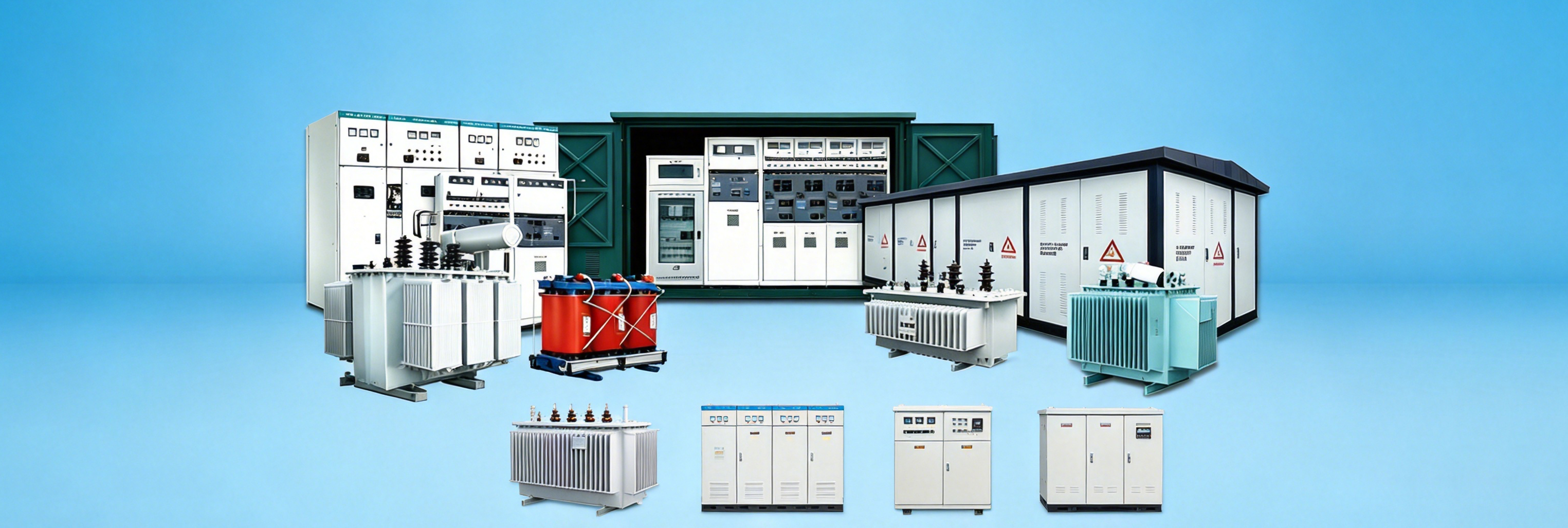
1. First, let's look at the installation site and distinguish between oil-immersed and dry-type transformers. This is the first criterion for selection. There are significant differences in price and applicable scenarios between the two types. Oil-immersed transformers rely on transformer oil for heat dissipation and insulation. They have lower procurement costs and stronger overload capacity, making them suitable for outdoor substations and independent ventilated distribution rooms. However, the oil is flammable and there is a risk of oil leakage. They must not be placed in basements, shopping malls, hospitals, or indoor areas of high-rise buildings. Dry-type transformers use epoxy resin casting. They are fireproof, explosion-proof, have no leakage, and are easy to maintain. They can be directly installed in densely populated indoor areas and underground spaces. The purchase price of dry-type transformers is 25%-40% higher than that of oil-immersed transformers for the same capacity. They are also equipped with standard features such as temperature control, fans, and protective enclosures. 2. Do not blindly select capacity. The 70%-85% load rate is the most economical. Many purchases have two extreme cases: blindly choosing large capacity leads to "a large horse pulling a small cart", resulting in constant waste of electricity during no-load operation; or choosing a small capacity that is constantly overloaded, accelerating insulation aging and shortening the equipment lifespan. The correct calculation method: calculate the total power of all equipment, multiply by the simultaneous coefficient, then divide by the power factor of 0.8, and select the standard capacity based on the economic load rate of 70%-85%, while leaving a 10%-30% reserve for future capacity expansion. The simultaneous coefficient for ordinary shops is 0.6-0.8, and for factory workshops it is 0.5-0.7. 3. Two core parameters cannot be ignored. Connection group priority: Dyn11 is suitable for civilian and industrial use, can stably output 220V single-phase electricity, suppress harmonics, and the old Yyn0 type has been largely phased out in new construction projects; Energy efficiency: Choose low-loss models for oil-immersed transformers: S13 for oil-immersed type and S15 for non-ferromagnetic alloy type. For dry-type transformers, recommend SCB13 and SCB14 first-level energy-efficient products. Long-term operation can significantly save power loss. 4. Expert advice for selection: For basement, high-rise, and flammable/explosive areas, dry-type transformers must be selected; for outdoor independent distribution rooms, oil-immersed type is preferred for initial investment; Do not simply purchase non-standard equipment based on low price. Poor-quality cores and windings will increase losses and create short-circuit and fire hazards; For high-altitude, seaside salt fog, and dust-filled factory areas, custom high-altitude and anti-corrosion protective transformers are required.
Need product selection support, drawings review, or a BOQ quotation?
Submit RFQ